Key takeaways
- The best streetwear manufacturer in Pakistan for your brand is the one that samples accurately, accepts small first runs and communicates quickly.
- Pakistan combines strong cotton supply with established apparel hubs, which suits fleece, jersey, twill and knit-heavy streetwear ranges.
- China, Bangladesh, Turkey and Pakistan each have different strengths; match the country to your product mix and order size.
- A strong launch usually starts with a tight capsule of 3 to 6 pieces, sampled, photographed and pre-sold before scaling.
- ProXen offers one sample first, 1 to 2 pieces in USD for overseas buyers, bulk from around 25 pieces per design and production in about 14 days.
Why Brands Search for the Best Streetwear Manufacturer in Pakistan
Streetwear lives and dies on details: the weight of a hoodie, the drop of a shoulder, the height of a puff print, the way a cap sits. Finding the best streetwear manufacturer in Pakistan for your label is therefore less about finding the cheapest price and more about finding a partner who can repeat those details reliably from sample to bulk and from drop to drop.
ProXen Apparel is a Lahore-based custom apparel manufacturer and exporter, founded in 2019, producing made-to-order streetwear, sportswear, tracksuits, gloves and bags for overseas brands. We work only with buyers outside Pakistan, from start-up labels to established retailers and merch companies. This pillar guide explains how to evaluate any streetwear supplier from Pakistan, how the country compares with other sourcing destinations, how to launch a brand step by step, and links to our detailed guide for every product in the category.
What Streetwear Manufacturing Covers
A full streetwear range typically mixes knitted fleece and jersey, woven bottoms and outerwear, knitwear and headwear. Each family needs different machines, fabrics and skills, so it helps to know how a manufacturer handles all of them before you commit. These are the core products, each with its own in-depth guide:
- Fleece tops: hoodies, zip hoodies and sweatshirts in brushed fleece or French terry.
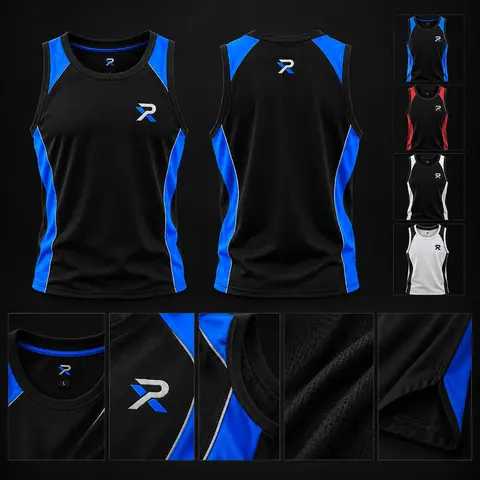
- Jersey tops: t-shirts from boxy heavyweight to fitted, and tank tops for summer and gym-inspired drops.
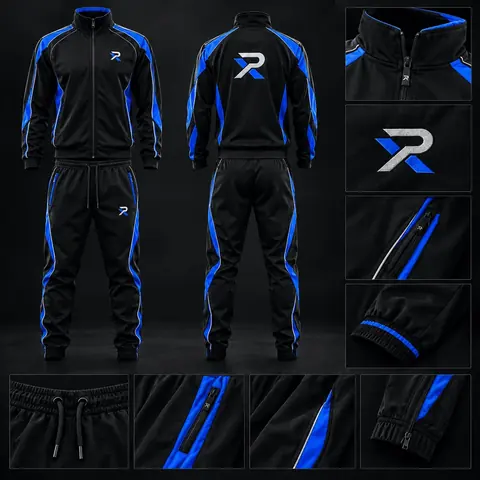
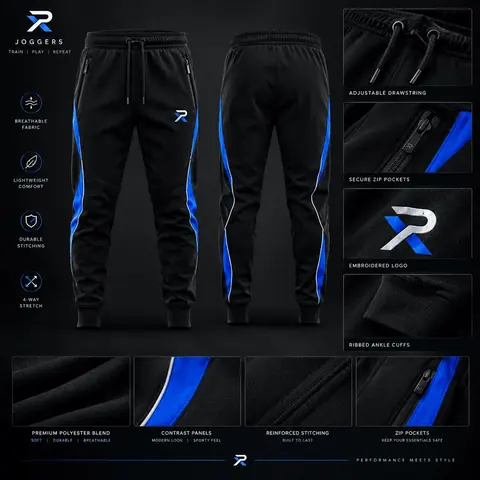
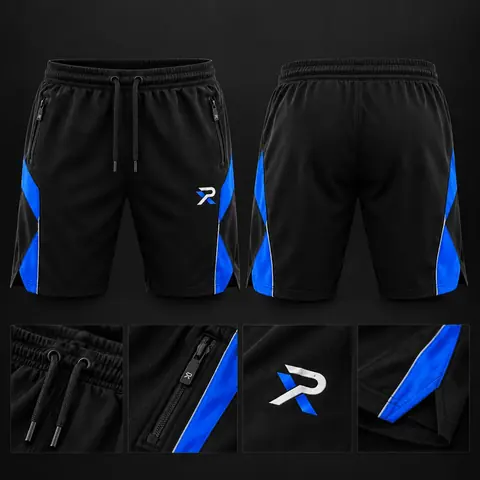
- Sets and bottoms: streetwear tracksuits, joggers, shorts and cargo pants.
- Outerwear: custom jackets, varsity jackets, windbreakers and puffer vests.
- Knitwear and accessories: knitted sweaters and caps and beanies.
Fabrics and Specs That Define Streetwear Quality
Streetwear customers notice fabric before anything else. Weight, hand feel and how the garment holds its shape after washing are what separate a premium piece from a promotional blank. Use the table below as a starting point for each product family, then refine weights on the sample.
Two specs are worth adding to every tech pack. First, shrinkage: cotton fleece and jersey should be pre-shrunk or washed, and your measurements should be stated after washing. Second, colour: give Pantone references for fabric, ribs, drawcords and embroidery thread so every component matches across sizes and reorders.
| Product family | Common fabrics | Typical weight range | Quality signals |
|---|---|---|---|
| Hoodies, zip hoodies, sweatshirts | Cotton or cotton-poly brushed fleece, French terry | Around 300-500 gsm | Dense rib, no pilling, double-layer hood, clean flatlock or coverstitch |
| T-shirts, tank tops | Combed or carded cotton single jersey | Around 160-300 gsm | Stable neck rib, minimal twisting after wash |
| Joggers, shorts, tracksuits | Fleece, French terry, poly tricot, nylon | Varies by style | Even elastic, matching panels, smooth zips |
| Cargo pants | Cotton twill, ripstop, nylon | Around 180-320 gsm for cotton | Bartacks at stress points, square pockets |
| Jackets, windbreakers, vests | Nylon, polyester, canvas, melton wool | Varies by shell and fill | Balanced lining, even loft, reliable hardware |
| Knitwear and beanies | Acrylic, cotton, wool blends | Set by gauge | Clean jacquard, good rib recovery |
The Checklist: How to Choose a Top Streetwear Manufacturer in Pakistan
Pakistan has many apparel factories, from large export mills to small workshops. Use these criteria to narrow the field, whether you are comparing three suppliers or looking for the best streetwear brand in Pakistan for private label development.
1. They sample before they quote bulk
A serious manufacturer makes a physical sample of your design and invites fit and finish comments before cutting bulk. Photos of other brands' work are no substitute for a sample of yours.
2. Their minimums match your stage
New labels rarely need hundreds of units per colour. Look for a partner who can produce small runs per design and allow mixed sizes, so you can test the market without tying up cash in stock.
3. They coordinate every decoration method
Streetwear relies on screen print, puff print, DTF, embroidery, 3D puff, chenille and patches. A manufacturer that coordinates all of these keeps registration, colours and placement consistent.
4. They understand fit, not only sewing
Oversized and boxy streetwear fits are deliberate. Your supplier should read a measurement chart, grade sizes properly from XXS to 5XL and explain how washing will change the final measurements.
5. They communicate and document clearly
Fast replies, written confirmation of specs and prices, and export documents such as commercial invoice, packing list and HS codes are signs you can scale with them. DDP options help if you want duties handled before delivery.
Pakistan vs China vs Bangladesh vs Turkey for Streetwear
There is no single best country for every brand. Each major sourcing destination has a different industrial profile, and the right choice depends on your products, quantities and target market. The comparison below is general and describes typical patterns, not every factory in each country.
For a streetwear brand built on hoodies, tees, sweatpants, tracksuits and decorated pieces, Pakistan is a strong fit because the core fabrics are cotton-based and many factories can work with modest starting quantities. Brands that need highly technical synthetics or very large volumes of a single basic may combine sources, and that is a perfectly reasonable strategy.
| Factor | Pakistan | China | Bangladesh | Turkey |
|---|---|---|---|---|
| Industry profile | Major textile and apparel exporter with strong cotton supply; Lahore and Faisalabad are key hubs | Very large and diverse manufacturing base covering almost every material and trim | Large-scale garment exporter focused heavily on knit and woven basics | Established fashion manufacturing base close to Europe |
| Typical strengths | Cotton fleece and jersey, knitwear, sportswear, gloves and leather goods | Technical synthetics, hardware, accessories and wide trim availability | High-volume basics such as tees and knitwear | Fashion fabrics, denim and fast turnaround for European buyers |
| Common order profile | Many factories accept small to medium runs | Ranges from very small to very large depending on factory | Often geared to large volume programmes | Often small to medium runs for fashion buyers |
| Shipping considerations | Express courier for small orders; sea freight via Karachi for large orders | Extensive air and sea links worldwide | Sea freight common for volume orders | Road and short sea routes to Europe |
| Best suited to | Start-up and growing streetwear labels, teams and merch companies | Brands needing broad material choice or complex accessories | Large retailers with big repeat orders | European fashion brands needing proximity |
Branding and Decoration Options for Streetwear
Decoration is what makes a blank into a brand. Choosing the right technique for each product keeps costs sensible and makes artwork last.
- Screen print: the workhorse for bold graphics on tees and hoodies; specialty inks include puff, high-density and discharge-style effects.
- Puff print: a raised, rubbery finish popular on chest logos and back hits.
- DTF and heat transfer: full-colour artwork and small runs without screens; also suited to nylon outerwear.
- Embroidery: flat for fine detail, 3D puff for caps and bold logos; chenille for varsity-style lettering.
- Patches: woven, chenille, PVC, rubber and embossed or debossed leather patches for a premium, tactile finish.
- Sublimation: all-over print on white polyester, often used for shorts, tees and tracksuits.
- Labels and packaging: woven neck labels, printed care labels, hang tags and branded poly bags that complete the private label experience.
How to Start a Streetwear Brand With a Pakistan Manufacturer
If you are launching your first label, the process below keeps risk low and gets you to a sellable product quickly.
Step 1: Define a tight first capsule
Start with three to six pieces that express your identity, for example a heavyweight hoodie, a boxy tee, a jogger and a cap. A small, well-made capsule tells a clearer story than a large range of average pieces.
Step 2: Build a simple tech pack
Include flat sketches, a measurement chart, fabric and weight, colours as Pantone codes, artwork files with sizes and placements, and label details. If you do not have one, a manufacturer that offers design help can build it from reference photos.
Step 3: Sample, wear and wash
Order one sample per style. Wear it, wash it several times and measure it again. Fix fit and decoration on this stage, because every change after bulk cutting is expensive.
Step 4: Shoot content and pre-sell
Use approved samples for photography and pre-orders. Overseas buyers can order an extra 1 to 2 pieces in USD if they need more samples for content or stockists.
Step 5: Produce a small first run and scale
Place bulk in modest quantities with mixed sizes, learn which sizes and colours sell, then reorder with confidence. Keep your approved sample as the reference for every future run.
Why Brands Choose ProXen for Private Label Streetwear
ProXen Apparel is built for overseas buyers who want custom products rather than catalogue blanks. Everything is made to order with your logo, labels, colours and fabric, and we offer design help when you are still shaping your ideas. We work from your tech pack or reference garment, match colours to Pantone, cover sizes from XXS to 5XL plus youth sizes, and handle decoration from screen print and DTF to 3D puff embroidery, chenille patches and woven labels.
Because our range also includes sportswear and team uniforms and tracksuits, brands can grow from a first streetwear capsule into activewear and accessories without changing supplier. You can read more about our approach on the about page and in our overview of clothing manufacturing in Pakistan.
- Product pages for the full range: hoodie, zip hoodie, sweatshirt, t-shirt, tank top, tracksuit, joggers and shorts.
- Woven and outerwear: cargo trousers, jacket, varsity jacket, windbreaker and vest.
- Knitwear and headwear: knitted jersey and caps.
Samples, MOQs, Production and Shipping
Every order starts with one sample. Overseas customers can also order just 1 to 2 pieces, paid in USD and delivered to their door, to judge quality before committing. Bulk usually starts from around 25 pieces per design with mixed sizes allowed; caps and accessories follow similar small-run logic. Production takes about 14 days after sample approval.
Express DHL or FedEx delivery is usually around 4 to 7 working days after dispatch. Larger orders can travel by air cargo or by sea freight through Karachi. We prepare the commercial invoice, packing list and HS codes, and provide DDP quotes on request so duties are handled before delivery. We regularly work with brands in the USA, UK, Canada, Australia and Dubai and the UAE.
| Stage | What you provide or approve | Approximate timing |
|---|---|---|
| Enquiry | Tech pack, sketches or reference photos, quantities | Reply within 24 hours |
| Sampling | Fabric, colours, decoration, fit | Depends on product and decoration |
| Bulk production | Final size breakdown and approved sample | About 14 days after approval |
| Dispatch and delivery | Shipping method, DDP preference | Express usually 4-7 working days after dispatch |
Start Your Streetwear Line
The best partner is one you can test cheaply and scale with confidently. Begin with a single sample, judge it against the checklist above, then grow from a small first run. When you are ready, send your designs through our quote form, use the contact page, email info@proxenapparel.com or message us on WhatsApp at +92 318 4953363. We reply within 24 hours with fabric options, decoration advice and pricing based on your quantities.
Frequently asked questions
How do I find the best streetwear manufacturer in Pakistan?
Shortlist suppliers who make a sample of your own design, accept small mixed-size runs, coordinate decoration and provide export documents. Compare the samples, not the sales pitches.
What is the minimum order for custom streetwear?
ProXen starts with one sample, and overseas buyers can order 1 to 2 pieces in USD. Bulk usually starts from around 25 pieces per design with mixed sizes allowed.
Is Pakistan better than China for streetwear?
It depends on your products. Pakistan is strong for cotton fleece, jersey, knitwear and sportswear with flexible quantities, while China offers a very wide range of synthetics and accessories. Many brands use both.
Do I need a tech pack to start?
A tech pack speeds things up, but it is not essential. We can work from sketches or reference photos and help build the specs.
How much does it cost to produce streetwear in Pakistan?
Cost depends on fabric, decoration, trims, packaging and quantity, so there is no fixed price list. Send your designs through the quote form for a tailored quote.
How long does production and shipping take?
Bulk production takes about 14 days after sample approval, and express DHL or FedEx delivery is usually around 4 to 7 working days after dispatch.
Ready to manufacture?
Send your design or idea — we reply with fabrics, pricing and a sample plan within 24 hours. Overseas buyers can start with a single sample.